The design process of verification code can be written in English as follows:
1、Define the purpose of the verification code: Determine the purpose of the verification code, such as preventing automated access, ensuring user registration legitimacy, or protecting against fraud.
2、Determine the type of verification code: Decide on the type of verification code to use, such as a text-based code, a pattern-based code, or a graphic-based code.
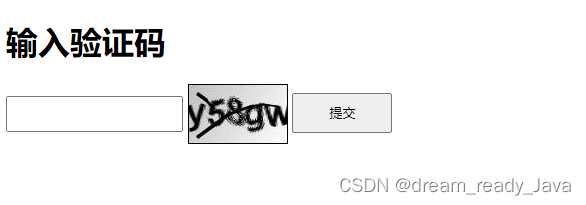
3、Set the parameters: Set the parameters for generating the verification code, including the length of the code, the characters or images to be used, and any specific security measures to be taken.
4、Generate the verification code: Generate the verification code using a secure random number generator or other secure methods to ensure uniqueness and randomness.
5、Implement the verification process: Implement a system to validate the user’s input against the generated verification code. This system should be able to handle various input methods, such as keyboard input or voice recognition.
6、Test and refine: Test the verification code system thoroughly to ensure it works correctly and meets the defined requirements. Refine and adjust the system if necessary to improve its performance and security.

7、Maintain and update: Regularly maintain and update the verification code system to ensure it remains secure and effective. This may include updating the code generation algorithm or implementing new security measures as needed.
Note: The design process may vary depending on the specific requirements and context of the verification code system.