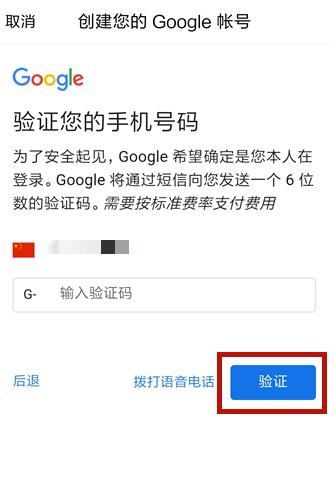
创建一个简单的登录验证码功能涉及到HTML、CSS和JavaScript(可能还需要后端语言如PHP或Python来处理服务器端的验证)。以下是一个基本的示例,展示了如何在HTML中创建一个验证码表单。请注意,这只是一个前端示例,不包括服务器端的验证逻辑。

HTML部分:
<!DOCTYPE html>
<html>
<head>
    <title>登录页面</title>
    <style>

        body {
            font-family: Arial, sans-serif;
        }
        .container {
            max-width: 300px;
            margin: 0 auto;
            padding: 20px;
        }
        input[type="text"], input[type="password"], input[type="captcha"] {
            width: 100%;
            padding: 15px;
            margin-bottom: 10px;
            border-radius: 5px;
            border: 1px solid #ccc;
        }
        button {
            padding: 10px 20px;
            background-color: #4CAF50;
            color: white;
            border: none;
            border-radius: 5px;
            cursor: pointer;
        }
    </style>
</head>
<body>
    <div class="container">
        <h2>登录</h2>
        <form id="loginForm">
            <input type="text" id="username" placeholder="用户名" required>
            <input type="password" id="password" placeholder="密码" required>
            <!-- 使用自定义的captcha输入类型来代表验证码 -->
            <input type="captcha" id="captcha" placeholder="验证码" required>
            <button type="submit">登录</button>
        </form>
    </div>
</body>
</html>在这个例子中,我们使用了自定义的captcha输入类型来表示验证码,HTML本身并不支持captcha输入类型,在实际应用中,验证码通常是通过服务器端生成并显示的图像,用户需要输入这个图像上的字符以进行验证,这需要后端编程和可能的JavaScript来与后端交互,还需要确保验证码的安全性,防止恶意用户使用自动化工具破解验证码,这通常涉及到更复杂的后端逻辑和安全措施,上述代码只是一个基本的示例,并不包含完整的登录和验证码验证逻辑。